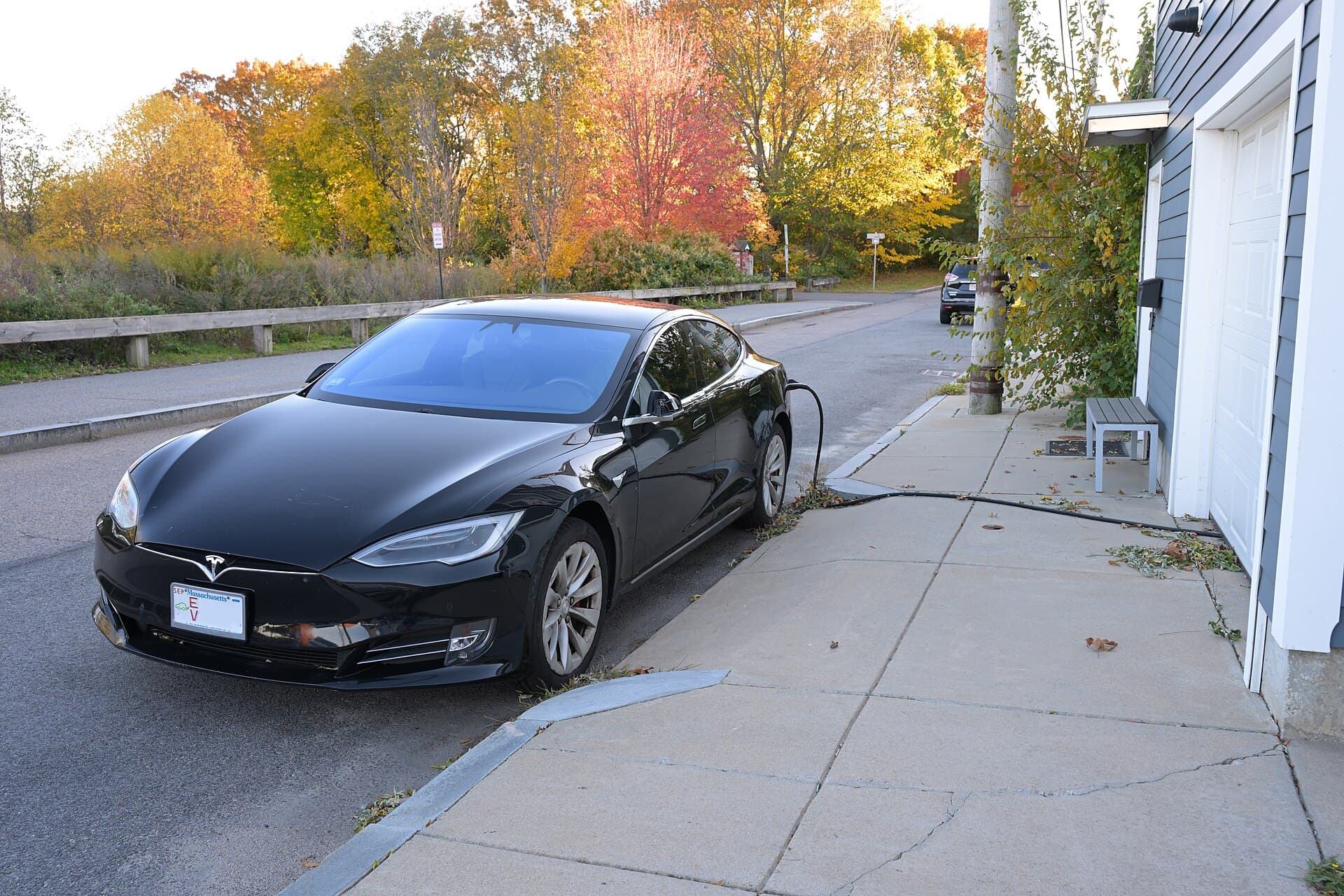
Photo: 4300streetcar (CC BY 4.0)
Home Charging
Installing a Home EV Charger in France: A Step-by-Step Guide
September 1, 2026
By Hugo Beignon, Founder of ma-borne-electrique.com
A certified IRVE installer, the right power level, 5.5% VAT: what to know before installing a home charger in France in 2026.
Installing a home charger makes daily life considerably easier for an EV driver in France. Here are the steps to follow, and what changed on the tax side in 2026.
Use an IRVE-certified installer
In France, installing a home charging station must be done by an IRVE-certified installer (Infrastructures de Recharge pour Véhicules Électriques). That certification ensures the installation meets electrical safety standards, and it's also required to access certain financial benefits.
The installation steps
- Have your home's electrical installation and available capacity assessed.
- Choose the right power level for your vehicle and usage, generally between 3.7 and 22kW.
- Get several quotes from IRVE-certified installers.
- Have the installation carried out by the chosen professional.
- Consider switching to an off-peak/peak electricity plan to charge overnight at the cheaper rate.
The tax situation changed in 2026
France's tax credit for installing a home charging station, which covered 75% of expenses up to a 500 euro cap, ended on December 31, 2025. It no longer applies to installations from 2026 onward: only work completed before that date still qualifies, to be declared on the 2026 income tax return.
What's still available in 2026
For an individual homeowner, the main remaining benefit is the reduced 5.5% VAT rate on equipment and installation, provided the work is done by a qualified professional. Co-ownerships and businesses can still apply for the Prime Advenir grant for collective charging infrastructure projects.
What budget to plan for
The total cost depends heavily on the distance between the electrical panel and the charger's location, as well as whether the existing electrical installation needs upgrading. It's worth comparing several detailed quotes rather than relying on an average price.
Frequently asked questions
Who can install a home EV charger in France?
The installation must be carried out by an IRVE-certified installer, a certification that ensures electrical safety compliance and is required to access certain financial benefits.
Does the home charger tax credit still exist in 2026?
No, that tax credit, covering 75% of expenses up to a 500 euro cap, ended on December 31, 2025 and no longer applies to installations from 2026 onward.
What tax benefit remains for installing a charger in 2026?
The main remaining benefit is the reduced 5.5% VAT rate on equipment and installation, provided the work is done by a qualified professional.
Can co-ownerships still get aid for a shared charging station?
Yes, co-ownerships and businesses can still apply for the Prime Advenir grant for collective charging infrastructure projects.
Want to find a charging station nearby? Check the charging map to plan your next trip.