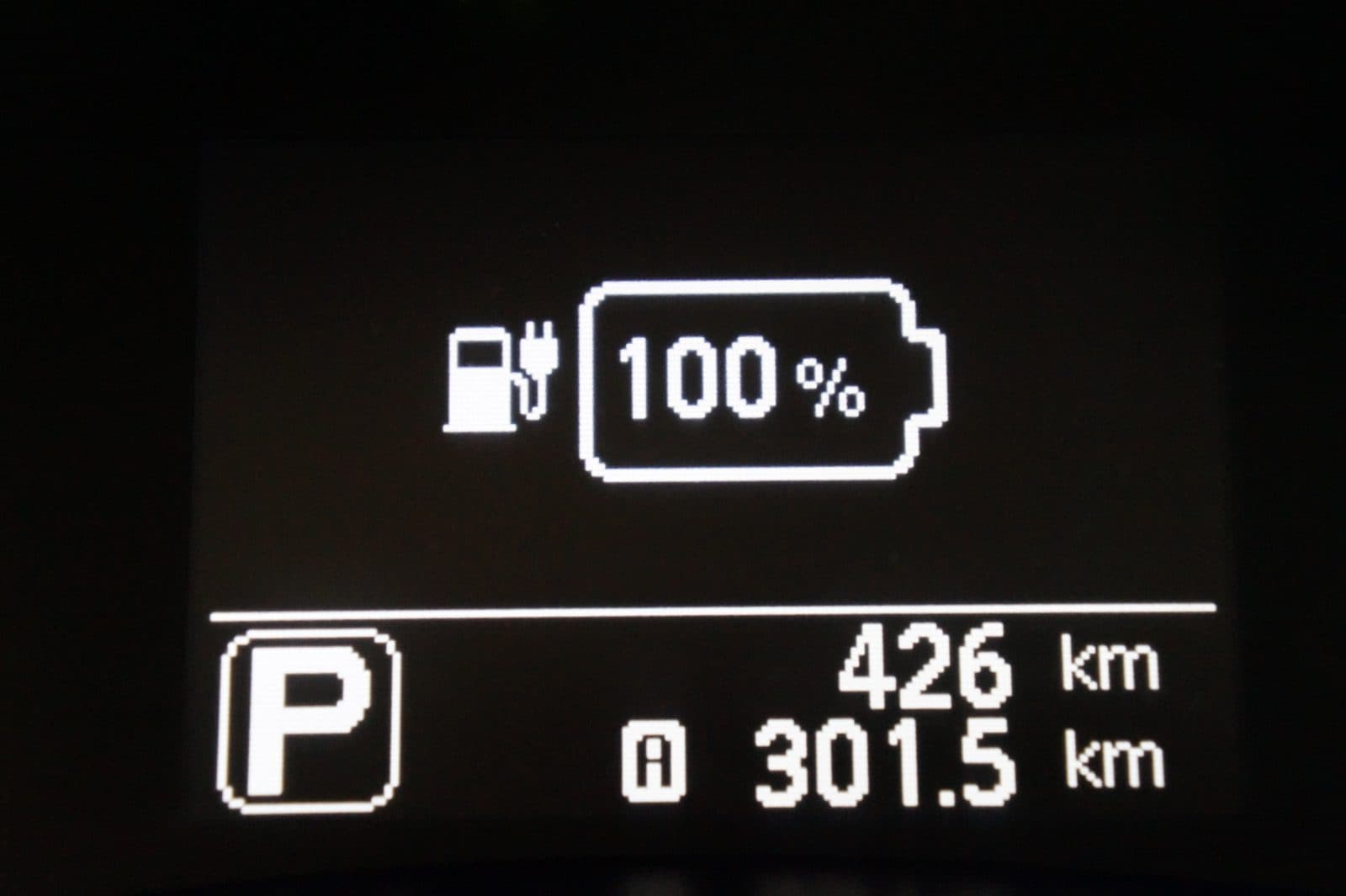
Photo: Kiwiev (CC0)
Practical Tips
Range Anxiety: How to Overcome It and Drive Stress-Free
September 14, 2026
By Hugo Beignon, Founder of ma-borne-electrique.com
Fear of running out of charge, safety margins, route-planning apps: the habits that make range anxiety disappear, whatever car you drive or country you're in.
Range anxiety, the fear of running out of battery before reaching a destination, is the number one reason drivers cite for hesitating to go electric. It affects drivers in the US, the UK, Germany, or anywhere else in much the same way, and it almost always fades with a handful of simple habits.
Where the fear actually comes from
It rarely comes from a genuine lack of range and almost always from a lack of reference points. With a gas engine, decades of experience and a dense network of gas stations make the math instinctive. With an EV, drivers face a new vocabulary (kWh, charging curves, WLTP range) and a charging network that's still uneven from one area to the next, which is enough to create a sense of uncertainty even when the car's real range comfortably covers the planned trip.
Always keep a safety margin
The simplest rule remains the most effective one: never plan a trip expecting to arrive with less than 15 to 20% battery left. That margin absorbs the unexpected (a detour, headwind, heating or air conditioning, a motorway instead of back roads) without ever turning an optimistic estimate into an actual breakdown. Widen that margin further in winter, when cold weather can cut range by 15 to 30% depending on the model.
Lean on a route-planning app
Tools like A Better Route Planner, PlugShare, or the built-in navigation on many recent EVs automatically calculate the charging stops a trip needs, factoring in elevation, weather, and expected speed, regardless of the country. Cross-referencing these apps with a live map of available chargers makes it easy to spot backup options at a glance if a planned stop turns out to be busy or out of service.
Shift the mindset: top up often, don't wait until empty
The habit carried over from filling a gas tank, waiting until it's nearly empty, doesn't translate well to EVs. Plugging in whenever the chance arises (at work, while running errands, every other night at home) keeps the battery at a comfortable level most of the time, and makes any unplanned trip far less stressful than starting from a near-empty tank ever was.
Know your car's real range, not the brochure figure
The range figure quoted at purchase comes from a standardized test cycle that rarely matches real-world driving. Motorway speeds, cold weather, wind, and a loaded car can cut that range by 20 to 40%. Tracking actual consumption on regular routes for the first few weeks gives a far more reliable number than the manufacturer's figure for planning any longer trip.
Scout backup chargers before you ever need them
Identifying two or three reliable chargers along a daily commute or home area ahead of time, rather than searching for one the moment the battery gauge starts dropping fast, removes a good chunk of the stress. Doing this scouting once, calmly, turns an unexpected situation into a detour you already know.
The anti-anxiety habits, at a glance
- Never plan a trip with less than a 15 to 20% margin left on arrival.
- Use a route-planning app for longer trips.
- Plug in whenever the chance arises, without waiting for the battery to run low.
- Trust your observed real-world consumption over the manufacturer's figure.
- Scout two or three backup chargers along your usual routes ahead of time.
- Widen your safety margin in winter or bad weather.
A fear that fades with the miles
Several surveys of EV drivers, across countries with very different charging networks, show the same pattern: range anxiety peaks before purchase and in the very first weeks, then drops sharply once the driver builds up the right reference points. It isn't the car that changes, it's the familiarity with it.
Frequently asked questions
What is range anxiety?
It's the fear of running out of battery before reaching a destination or finding a charger. It mostly affects new EV drivers and fades noticeably with experience.
What safety margin should I keep on a trip?
Between 15 and 20% battery on arrival under normal conditions, and more in winter or bad weather, to absorb the unexpected without any real risk of running out.
Why is real-world range different from the advertised figure?
The advertised figure comes from a standardized test cycle. Motorway speeds, cold weather, wind, and vehicle load can cut it by 20 to 40% in real-world driving.
Does range anxiety go away over time?
Yes, in the vast majority of cases. Surveys show it peaks before purchase and in the first few weeks, then drops sharply once the driver knows their car's real range and their usual charging network well.
Want to find a charging station nearby? Check the charging map to plan your next trip.